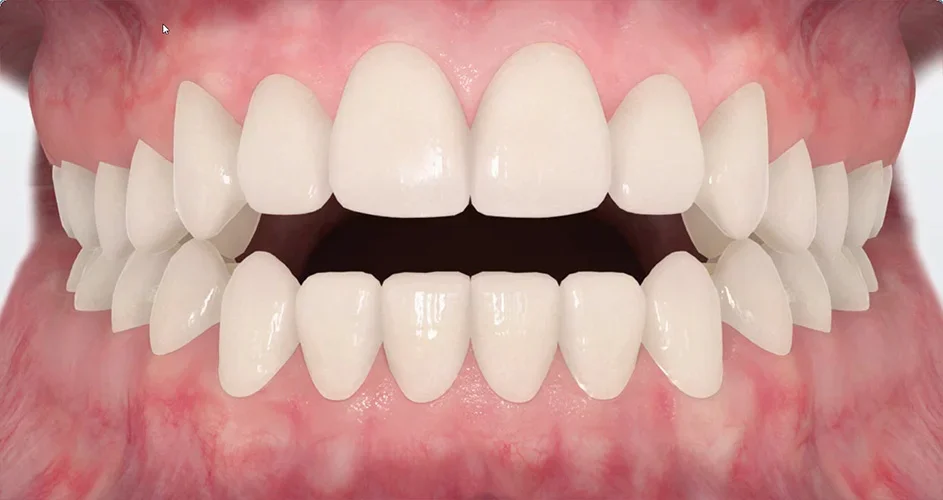
Orofacial myology is a specialised field that evaluates and treats mouth (‘oro’) and facial (‘facial’) muscles to correct dysfunction, focusing on proper tongue posture, breathing, swallowing and chewing.
What is Orofacial Myology?
What is an Orofacial Myofunctional Disorder?
An orofacial myofunctional disorder (OMD) occurs when there are atypical patterns in the muscles of the face, lips, tongue or jaw. These patterns often develop early and can persist if not addressed, affecting speech, feeding, breathing, dental alignment and overall oral health.
Orofacial myofunctional disorders can develop for a range of reasons, often involving a combination of factors. These may include:
Persistent oral habits, such as:
Thumb or finger sucking
Prolonged use of dummies or comfort objects (e.g. blankets)
Orofacial habits, including:
Nail biting
Cheek or lip biting
Chewing on clothing or objects
Teeth grinding (bruxism)
Restricted or compromised airway, which may be associated with:
Enlarged tonsils or adenoids
A narrow or high-arched palate
A relatively large tongue or uvula
Ongoing allergies or nasal congestion
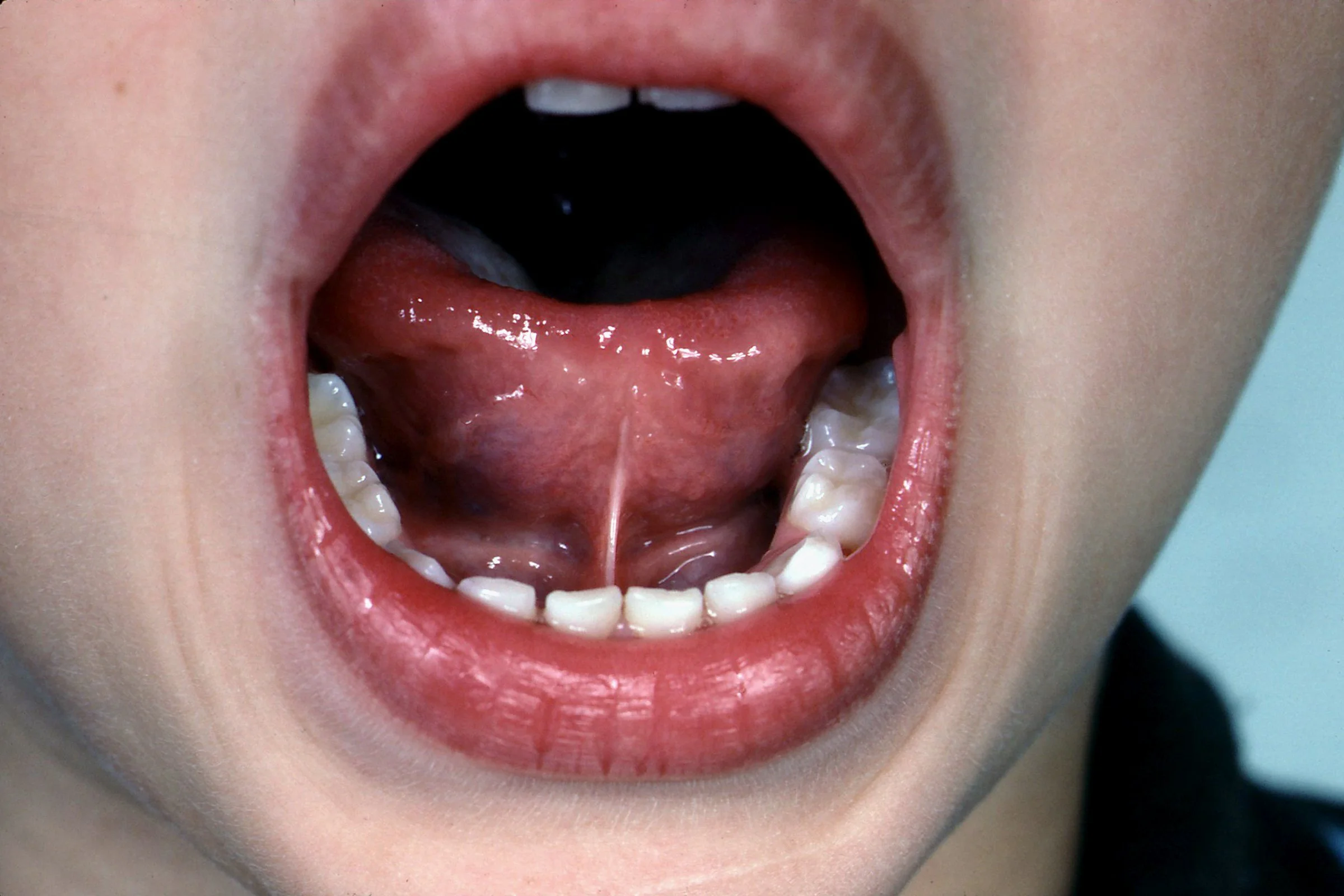
Structural or physiological differences, such as a restrictive lingual frenulum (tongue-tie or lip-tie)
Neurological or developmental factors that affect muscle coordination and control
Genetic predisposition to one or more of the above factors
Orofacial myofunctional difficulties are not always obvious. Some common signs to look out for include:
Mouth breathing during the day or night
Open mouth posture at rest
Snoring or noisy breathing during sleep
Tongue resting low or pushing forward
Drooling
Messy eating or difficulty chewing certain foods
Preference for soft foods
Thumb or finger sucking beyond infancy
Speech sound errors such as lisps
Ongoing orthodontic concerns or relapse
Red flags of OMD
Possible causes of Orofacial Myofunctional Disorders
What does Orofacial Myofunctional Therapy involve?
Orofacial myofunctional therapy may include:
A comprehensive assessment of oral structures and muscle patterns
Individualised therapy goals
Exercises to strengthen and coordinate the lips, tongue and jaw
Habit retraining for breathing, resting posture and swallowing
Home practice to support carryover into daily life